October 6, 2026
Asphalt surfaces endure constant exposure to harsh weather conditions, intense sun, heavy vehicle traffic, and automotive fluid spills. Over time, these daily stresses cause the smooth black material to fade, crack, and break down. Protecting your driveway or commercial lot requires ongoing attention and proactive care. Applying a liquid sealcoat over existing pavement acts as a strong protective shield against water infiltration and sun damage. When you partner with a dependable asphalt paving service, you can easily maintain your property's appearance while extending the life of your paved surface. Knowing what sealcoating involves and when to schedule an application will keep your pavement looking fresh and its structural integrity intact.
Basics of Sealcoating Material
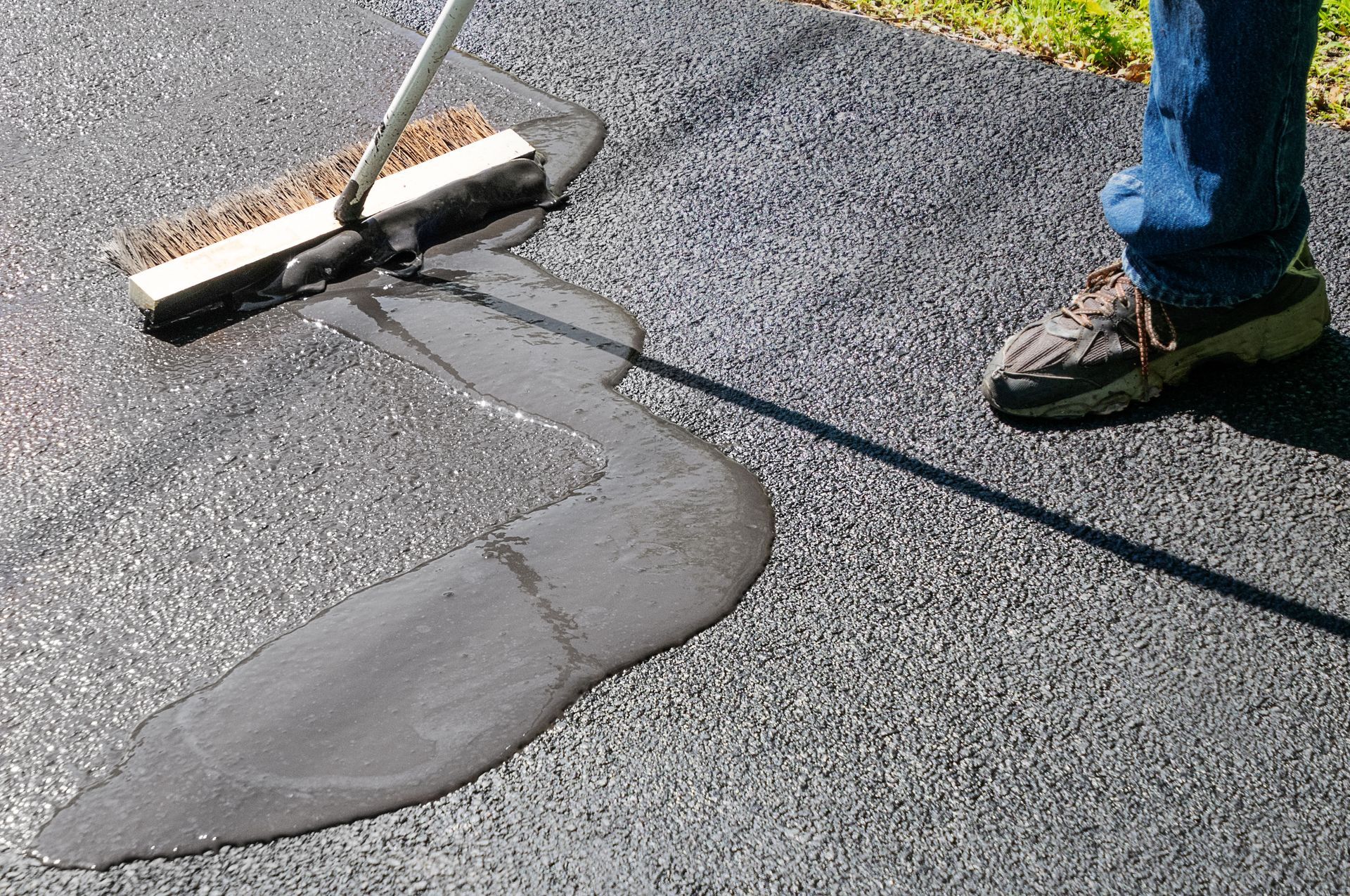
Sealcoating involves applying a thin, liquid topcoat directly over existing asphalt surfaces. This protective layer is typically made from refined tar, asphalt emulsions, mineral fillers, and water. When applied correctly by a professional asphalt paving service, the liquid cures into a solid barrier that seals tiny surface cracks and porous areas. Regular maintenance keeps this barrier active so everyday wear does not erode the binder beneath. This barrier stops moisture from penetrating deeper into the subbase, where it can cause significant structural instability. It also restores a rich dark color to faded pavement, instantly raising the curb appeal of any property.
Water and Weather Impacts
Water is one of the most destructive forces facing paved surfaces. Rain and melted snow easily seep into tiny surface openings, gradually washing away the underlying base material. In colder weather, trapped water freezes and expands, forcing small cracks to widen into large potholes. Sun exposure causes asphalt binder molecules to break down through oxidation, making the top layer brittle and prone to crumbling. Hiring a reliable asphalt paving service to apply a quality sealant prevents these natural elements from wearing down your investment prematurely.
Environmental Factors
Beyond weather exposure, everyday use brings automotive chemicals into direct contact with your pavement. Oil, gasoline, and antifreeze spills chemically react with asphalt, softening the binder and causing the surface layer to disintegrate. Sunlight accelerates this degradation process, turning once-flexible materials stiff and fragile. Routine applications from an asphalt paving service buffer against these aggressive chemicals. The sealant absorbs chemical drippings and blocks ultraviolet radiation, keeping the structural layers beneath completely intact and functional.
Recommended Timeframes for Initial and Routine Application
Timing your sealant application correctly ensures maximum protection for new and existing surfaces. Freshly laid pavement needs adequate time to cure and release volatile oils before any sealant is applied, which typically takes anywhere from six months to a year. Once that initial period passes, scheduling a complete application with an asphalt paving service every two to three years maintains continuous surface defense. Adhering to this timeframe ensures that the binder remains flexible and resistant to environmental cracking. Following this recurring schedule prevents the topcoat from wearing down to bare pavement where damage begins.
Traffic Levels on Your Surface
The ideal schedule for applying sealant depends heavily on how much traffic your paved surface handles every day. High-traffic commercial parking lots subjected to delivery trucks and continuous daily cars will wear down their protective coating much faster than a quiet residential driveway. Heavy vehicular weight wears away the top protective coat, exposing the aggregate underneath. A local asphalt paving service can assess the specific usage patterns of your property to establish a realistic schedule tailored to your heavy or light traffic demands.
Common Signs That Require Attention
Paying attention to visible changes in your paved surface helps you schedule care before serious problems take root. Fading from deep black to a light gray color indicates that oxidation is active on the surface. You may also notice hairline fractures spreading across areas where vehicles travel or park most frequently. Regular inspections allow you to track subtle deterioration patterns across high-use zones before weather conditions aggravate them further. According to This Old House, you should inspect the surface for cracks or damage at least twice per year after paving. Catching these early indicators lets you schedule an asphalt paving service before minor surface wear turns into full-depth cracking.
Surface Damage Repairs Before Sealing Begins
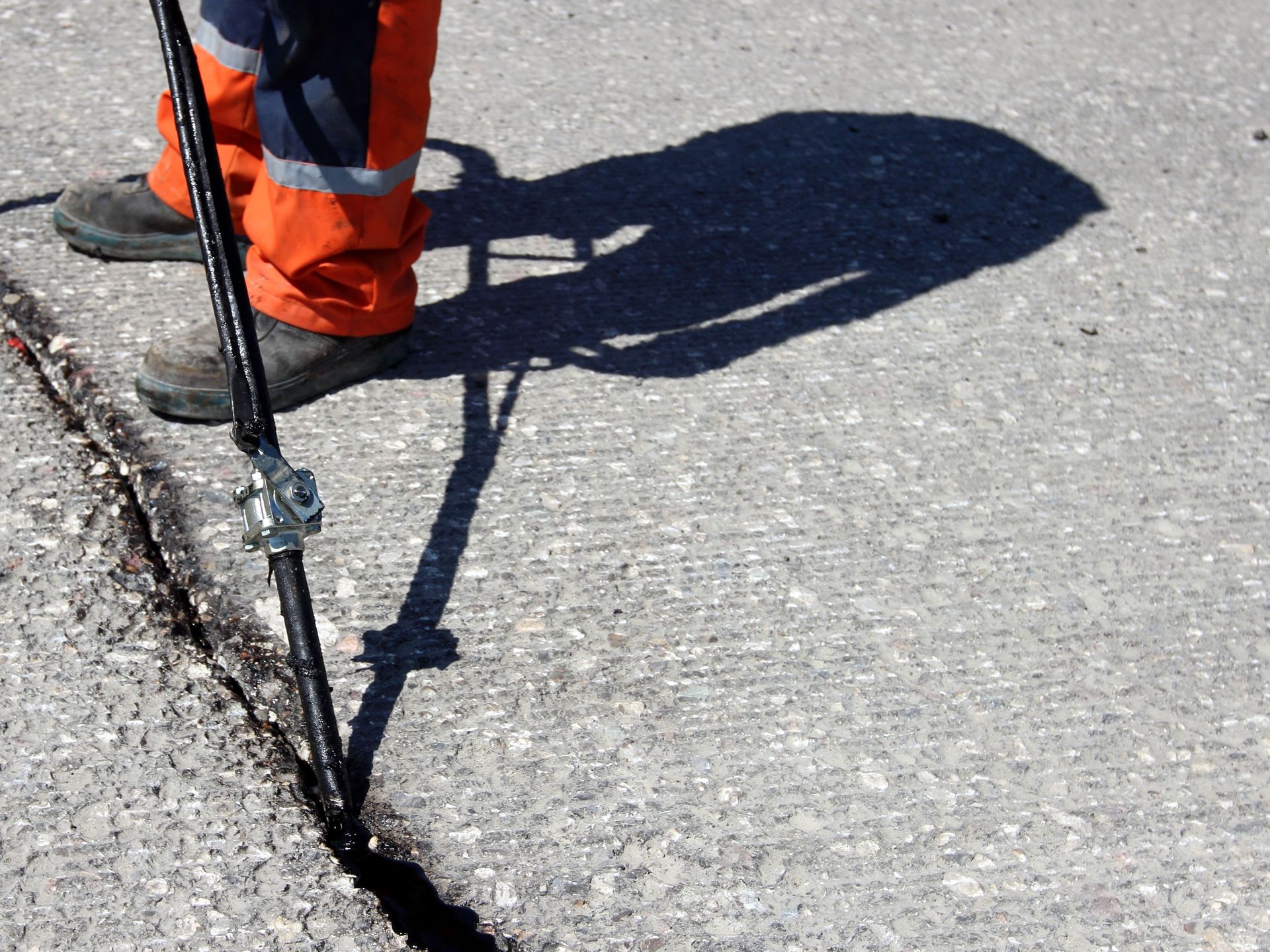
Sealcoating acts as a preventative shield, but it cannot fix existing structural defects or deep potholes on its own. Applying sealant directly over active cracks or compromised base layers only masks problems temporarily without stopping deep moisture damage. Thorough surface preparation ensures that the protective material locks firmly onto the top layer without peeling away prematurely. Before applying a new surface coat, a professional asphalt paving service must clean the area thoroughly, repair open cracks, and patch any existing potholes. Preparing the surface properly ensures that the liquid sealant adheres evenly and provides uniform protection across the entire area.
Seasonal Timing Considerations for Proper Curing
Weather conditions during the application process directly impact how well the sealant bonds and cures. Liquid sealant requires warm temperatures and clear conditions to dry into a smooth, durable barrier. Applying the liquid when temperatures drop too low prevents the emulsion from bonding, leading to flaking and rapid peeling. Most projects are completed between late spring and early autumn when ground temperatures remain warm. Working with an asphalt paving service allows you to pick an ideal weather window so the application cures completely without interference from rain or cold weather.
Long-Term Financial Benefits of Consistent Care
Maintaining asphalt surfaces through regular sealcoating saves property owners significant money over time. Complete pavement reconstruction or major asphalt overlay projects require extensive labor, heavy equipment, and substantial financial resources. Periodic treatments from an asphalt paving service cost a small fraction of full replacement costs, while significantly prolonging the lifespan of the surface layer. Routine sealcoating preserves the underlying binding agents, keeping the surface resilient against everyday friction and extreme temperatures. Consistently protecting the pavement minimizes deep water penetration that destabilizes the foundation over time. Investing in preventive care every few years allows property owners to manage maintenance budgets predictably while avoiding unexpected, costly emergency pavement repairs.
Proper Partners for Your Pavement
Achieving a smooth finish that lasts for years requires professional equipment, proper material mixing, and trained application methods. Working with an experienced asphalt paving service guarantees that the correct material concentration is used for your specific climate and surface conditions. Proper application protects the underlying investment from premature wear, chemical spills, and heavy traffic impact. Scheduling routine maintenance prevents minor surface imperfections from expanding into severe structural failures over time. Qualified teams ensure proper cleaning, crack filling, and even coating coverage so your pavement remains protected in all seasons. Reaching out to Hinds Paving ensures your paved surfaces receive expert care and long-lasting protection.
Sealcoating is an essential maintenance practice that protects asphalt pavement from water intrusion, harsh sunlight, and chemical spills. By creating a smooth, protective layer over your driveway or commercial lot, you effectively prevent cracking, pothole formation, and early surface degradation. Scheduling an application every two to three years maintains maximum defense and preserves a clean, dark finish that enhances your property. Investing in routine care saves money over time by avoiding complex structural repairs or premature replacement. To keep your paved surfaces in top condition year-round, contact Hinds Paving today to schedule a complete evaluation and professional application.